

Caring for your flowers
When you bring fresh flowers into your home, you’re adding beauty, fragrance, and a touch of nature to your space. But how can you make these blooms last as long as possible? Here’s a comprehensive guide to caring for your flowers to keep them fresh and vibrant.
Choose the Right Vase and Location
- Use a Clean Vase: Bacteria build-up in a dirty vase can quickly harm your flowers. Wash your vase thoroughly with warm water and soap, or even use a bit of bleach to kill bacteria before adding flowers.
- Avoid Direct Sunlight and Heat: Flowers do best in a cool area with indirect sunlight. Avoid placing them near heat sources or appliances, as high temperatures can cause flowers to wilt prematurely.
Trim the Stems
- Cut at an Angle: Trim flower stems at a 45-degree angle to create a larger surface area for water absorption. This also prevents the stems from sitting flat at the bottom of the vase, which can block water flow.
- Repeat Every Few Days: Every two to three days, re-trim the stems to keep the flowers absorbing water effectively.


Use Fresh, Room-Temperature Water
- Replace Water Regularly: Replace the water in the vase every two to three days. Fresh water keeps bacteria levels down, which is crucial for the longevity of your flowers.
- Add Flower Food: Most florists include a small packet of flower food with bouquets. This helps nourish the flowers and reduces bacterial growth. If you don’t have flower food, adding a teaspoon of sugar and a few drops of bleach can provide similar benefits.
Watering Flower Compositions
- Check the floral foam daily — it should feel moist to the touch.
- If it starts to dry out, gently add water directly to the center of the arrangement. Pour slowly so the water is absorbed and doesn’t spill.
- It’s best to use room-temperature, settled water.
Recommended water amount:Small box — up to 100 ml every day
Medium arrangement — up to 200 ml every other day
Large arrangement — up to 300 ml every other day
Remove Wilting or Dead Flowers
- Prevent Bacteria Spread: As flowers start to wilt, they release bacteria that can spread to other blooms, accelerating decay. Remove any dying flowers from the arrangement to keep the remaining ones healthy.
- Check for Dead Leaves Below Water: Leaves submerged in water decay quickly, encouraging bacterial growth. Be sure to remove any leaves that would be submerged when arranging your flowers.
Know How to Care for Specific Flowers
- Roses: These classic blooms love fresh water and benefit from daily water changes. Remove any thorns or leaves below the waterline to prevent bacterial growth.
- Tulips: Tulips continue to grow after being cut! Trim the stems every other day and keep them away from heat and direct sunlight for best results.
- Lilies: Lilies can produce pollen that stains surfaces and can be toxic to pets. Remove pollen from the stamen as soon as the flowers open to prevent these issues.
Keep Flowers Away from Fruits
Fruits, especially apples and bananas, release ethylene gas, which speeds up the aging of flowers. To keep your arrangement fresh, avoid placing it near a fruit bowl.
Consider Floral Preservatives
- DIY Solutions: If you run out of flower food, you can make your own with a mix of sugar (for nourishment), lemon juice (to maintain acidity), and a drop of bleach (to kill bacteria). This DIY preservative can help keep your blooms fresh longer.
Store Flowers Properly
- Overnight Storage: If you want to extend the life of an arrangement for a special occasion, place the flowers in a cool room or even in the refrigerator overnight. This reduces stress on the flowers and can make them last longer.
Taking care of fresh flowers isn’t complicated, but with these simple steps, you can enjoy their beauty for much longer. If you’re interested in learning more or looking for high-quality flowers that last, consider visiting our flower shop for fresh, beautifully arranged bouquets that are sure to impress.
Related Articles

Team picks: Our favourite flowers
It’s hard to pick favourite flowers when the variety of them is so overwhelming. For El Flower Space it is all about the harmonious match.

El Flower Space’s Weddings
El Flower Space is always happy to celebrate love together with you and make sure it’s the most beautiful day of your life.
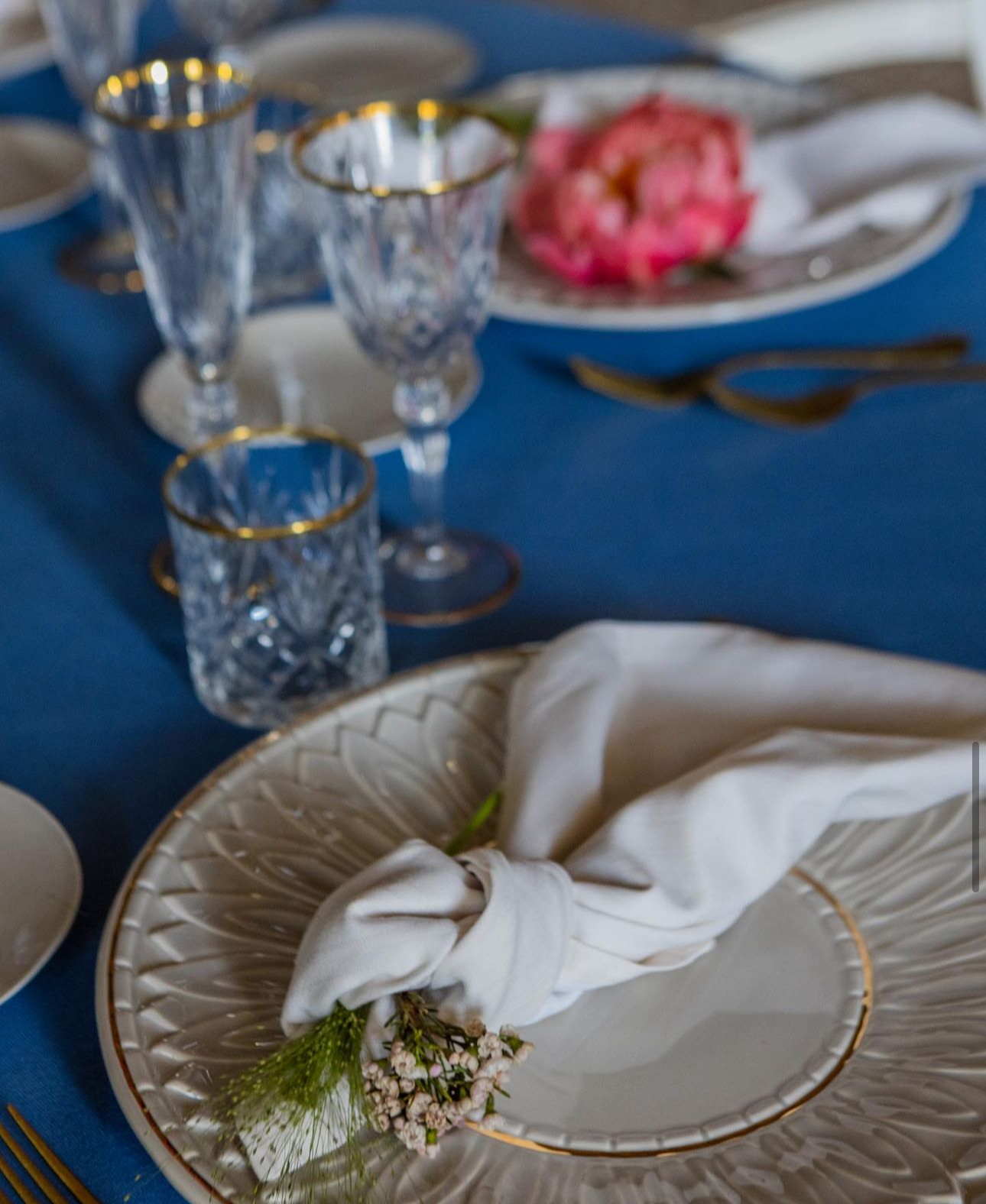
How to dress a festive table
It’s no secret how much florists adore this time of year, as a wealth of gorgeous summer flowers emerge. British blooms, in particular.


